In modern industrial fluid control systems, valves play a decisive role in regulating, isolating, and controlling the flow of liquids, gases, steam, and corrosive media. Among all valve components, the
Valve Disc Plate is one of the most critical parts directly responsible for opening, closing, and sealing operations.

The performance of a valve largely depends on the dimensional accuracy, material quality, corrosion resistance, and structural integrity of its disc plate. Therefore, precision stainless steel casting has become the preferred manufacturing process for producing high-performance valve disc plates used in demanding industrial environments.
Why Stainless Steel Is Ideal for Valve Disc Plates
Industrial valves often operate under harsh conditions involving:
- High pressure
- High temperature
- Chemical exposure
- Saltwater environments
- Abrasive media
- Continuous operation
For these reasons, stainless steel casting provides exceptional advantages.
Excellent Corrosion Resistance
Stainless steel grades such as 304, 316, CF8, and CF8M offer excellent resistance against:
- Water
- Seawater
- Chemical solutions
- Acids
- Alkalis
- Industrial wastewater
These materials maintain structural stability even in aggressive operating environments.
High Mechanical Strength
Valve disc plates must endure repeated opening and closing cycles.
Stainless steel castings provide:
- High tensile strength
- Excellent impact resistance
- Superior fatigue resistance
- Long service life
These characteristics significantly reduce maintenance costs.
Superior Sealing Performance
Precision casting ensures:
- Consistent dimensions
- Accurate sealing surfaces
- Improved machining allowance
- Better valve efficiency
This directly contributes to reduced leakage rates and higher operational reliability.
Manufacturing Process of Stainless Steel Valve Disc Plates
- Engineering Design:Engineers develop CAD models according to customer drawings and valve specifications.
- Tooling Development:Precision tooling is manufactured to ensure dimensional consistency.
- Wax Pattern Production:High-accuracy wax patterns are produced for investment casting.
- Ceramic Shell Building:Multiple ceramic layers create a strong shell mold.
- Stainless Steel Pouring:Molten stainless steel is poured into the fired ceramic shell.
- CNC Machining:Critical dimensions are machined to meet strict tolerances.
Advantages of Investment Casting for Valve Disc Plates
Compared with conventional machining or fabrication methods, investment casting offers:
- Complex Geometry Capability
- Excellent Surface Finish
- Reduced Material Waste
- Lower Production Costs
- Consistent Product Quality
- Better Corrosion Performance
These advantages make investment casting the preferred process for manufacturing high-performance valve components.
Conclusion
The
Valve Disc Plate is one of the most important functional components in industrial valves. Its performance directly affects sealing efficiency, flow control accuracy, safety, and service life.
Through advanced stainless steel investment casting technology, manufacturers can achieve superior dimensional accuracy, corrosion resistance, mechanical strength, and long-term reliability.
For industries demanding durable and precision-engineered valve components, stainless steel cast Valve Disc Plates remain the ideal solution.
 Double suction impeller
 Guide vanes
 Pump cover
 Split pump casing
 Volute
 Multistage pump
 Valve body
 Rotary plate valve
 Svalve disc plate
 Valve cover
 Cut off valve body
 Ball valve body
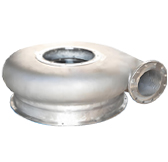 Overflow Volute
 Overflow Volute
 Underflow Volute
 Lower Housing
 Feed Inlet
 Assembly
 Casing
 Port Plate
 Side Cover 1
 Side Cover 2
 Side Cover 3
 Oil-free screw vacuum pump body
 50 cylinders
 Air-cooled cylinder block
 Cylinder head
 Assembly 2
 Assembly 3
 Acylinder
 Stirring paddle
 Stirring paddle2
 Kneading paddle (eccentric)
 Kneading paddle (center)
 Other castings
 Other castings


 About Us
 Corporate History
 Glimpse of the company
 Management
 News Center

 Environmental Sustainability
 Social Responsibility
 CN

